Affiliate Disclosure:Home Vacuum Zone is reader-supported. When you buy through links on our site, we may earn an affiliate commission at no additional cost to you. This does not influence our reviews or recommendations — we only recommend products we genuinely believe in.
Quick Picks
Robot vacuums have evolved from novelty gadgets into essential home cleaning tools that can genuinely replace traditional vacuuming for many households. The 2026 models represent a significant leap forward in navigation technology, suction power, obstacle avoidance, and automation features that minimize the need for human intervention.
After analyzing specifications, user reviews, and expert evaluations across dozens of models, we’ve identified the robot vacuums that deliver the best performance, reliability, and value. Whether you’re dealing with pet hair, have a sprawling multi-level home, or simply want a vacuum that empties itself and requires minimal attention, there’s a robot vacuum on this list for your specific needs.
This guide cuts through the marketing hype to help you understand what features actually matter, which robots excel in real-world conditions, and how to choose the right model for your home and budget. If you’re not yet sure which kind of machine you need, start with robot vacuum types explained, which covers the mopping systems, docks and brush designs that separate them. If you’re still weighing whether a robot is right for you, read our robot vacuum vs stick vacuum comparison first.
Quick Comparison: Our 6 Top Picks
Every figure below is measured by Vacuum Wars on their standard test suite, not lifted from a manufacturer’s spec sheet. Where a column says “not tested”, nobody has published a number and I’m not going to invent one.
| Model | Best for | Deep carpet | Pet hair | Obstacles avoided |
|---|---|---|---|---|
| Dreame L60 Ultra PE | Overall | 94% | 100% | 21 of 24 |
| Roborock Saros 20 | Premium | 89% sand pickup | perfect tangle score | 17 of 24 |
| Shark PowerDetect UV Reveal | Pet hair | 88% | 91.5% | 20 of 24 |
| Ecovacs Deebot X12 OmniCyclone | Stains | not tested | 100% | 23 of 24 |
| Eufy Omni C28 | Value | 89% | 100% | 15 of 24 |
| iRobot Roomba Max 705 | Mopping | 65-69% | poor | not tested |
| Category average | 78% | 82% | 16 of 24 |
Our Top Picks
What is the best robot vacuum overall?
The Dreame L60 Ultra PE, because it cleans carpet and lifts pet hair better than anything else tested. Vacuum Wars measured 94% deep carpet debris removal against a 78% category average, and 100% pickup on flattened pet hair with zero wrap on the brush in the seven-inch hair test. It tops their rankings on that basis.
It also carries the most honest weakness on this list. The box says 30,000 Pa, and measured suction scored 0.57 against a 0.99 category average, with airflow of 15 against 17. That headline number is marketing. The carpet result is real, and the carpet result is what you actually experience.
Threshold climbing is oversold too. Dreame claims 40mm on a tiered transition, testing cleared 19mm and failed at 25mm. That matters if you have raised door thresholds.
Bottom line: the best cleaner here, sold on a number that doesn’t survive measurement. Judge it on what it does, not on what the box claims.
What is the best premium robot vacuum?
The Roborock Saros 20, if you want the most physically capable machine rather than the best test scores. It carries 36,000 Pa from a HyperForce motor, and unlike Dreame’s claim this one shows up in results: 89% sand pickup on carpet.
Two things set it apart. It cleared a 57mm threshold in Vacuum Wars’ testing, which is a record, so it won’t strand itself on the raised transitions that trap everything else. And at 3.14 inches tall it slides under sofas and beds that block every other flagship here.
Its mop washes in boiling water at 212°F and scored 116 on stain removal against a 94 average.
Where it gives ground is obstacle avoidance, at 17 of 24 objects against a 16 average, and battery efficiency slightly below par at roughly 1,038 sq ft per charge.
Bottom line: buy this one for the engineering. Nothing else here climbs thresholds or fits under furniture like it does.
What is the best robot vacuum for pet hair?
The Shark PowerDetect UV Reveal, at 91.5% pet hair pickup against an 82% average. It also handled 88% of deep carpet debris and avoided 20 of 24 objects, both comfortably above average, and covered 2,093 sq ft on a charge against a 1,170 norm.
It rates 3.76 out of 5 overall where the category averages 2.58, making it one of the strongest vacuums on this page.
The mop is the catch, and it’s severe. Combined mopping scored 0.55 against a 22.5 average, leaving up to five times the usual water behind and floors wet for over half an hour. TechRadar summed it up as “impressive hardware laid to waste by software issues”.
Bottom line: treat it as a vacuum and treat the mop as packaging. On that basis it’s excellent, particularly with pets and carpet.
What is the best robot vacuum for dried-on stains?
The Ecovacs Deebot X12 OmniCyclone, because it wets a mess before the mop reaches it. FocusJet pre-sprays dried-on stains ahead of the OZMO Roller, which runs continuously at 220 RPM and washes itself as it goes, so it lifts dirt rather than smearing it. Vacuum Wars rated its dried stain removal above average, and it managed that without flooding the floor.
It also has the best obstacle avoidance here at 23 of 24 objects, and took 100% of pet hair with no wrap on the main brush.
The dock is bagless, which removes the running cost of replacement bags. Over a few years that isn’t trivial.
Its weaknesses are deep carpet cleaning, rated merely average for the money, and below-average edge and crevice pickup.
Bottom line: the pick if your floors are mostly hard and your problem is dried-on mess rather than embedded carpet dirt.
What is the best value robot vacuum?
The Eufy Omni C28, which puts a self-washing roller mop and a 75-day station on a machine costing far less than the flagships. The HydroJet roller spins at 270 RPM under 9.8N of pressure and washes itself continuously while mopping, so it isn’t pushing dirty water around. It lifts 10.8mm to clear carpet, and covered roughly 1,191 sq ft per charge on a 216-minute battery.
Suction is the compromise on paper. At 15,000 Pa it’s the lowest figure here, well under the Deebot’s 22,000 Pa, and a 300ml dustbin means the dock does plenty of work in a pet household. It still took 89% of deep carpet debris and all of the flattened pet hair in testing, which is the Pa point again.
Mop drying runs at 122°F, cooler than the 145-167°F systems on pricier docks, so pads take longer to dry out.
Bottom line: the best hands-off mopping available without paying flagship money, provided carpet isn’t your main problem.
What is the best robot vacuum for mopping?
The iRobot Roomba Max 705, and mopping is the only reason to choose it. Homes & Gardens tested it for a month in a house with children and pets and called its heated PowerSpin roller “one of the best mopping systems around”, describing the result as close to a deep manual clean. The AutoWash dock washes and heat-dries the roller after every run.
Everything else about it is a compromise. Pet hair pickup is described as disappointing across reviews, carpet testing put it at 65-69% on low pile, and it has a reputation for being error-prone. The most detailed independent test of it ran across three replacement units.
It’s also already superseded. iRobot replaced its whole range in July 2026 and the Max 775 took its place, which is why it’s discounted.
Bottom line: the pick for hard floors you want genuinely clean, without a shedding pet in the house. Otherwise buy almost anything else here. Our Roomba vs Shark comparison works through that trade in detail.
Why isn’t there a Roomba at the top?
Fair question, given Roomba is the most searched robot vacuum brand there is.
Every current iRobot model that has been independently tested rates well below the category average. The Plus 405 Combo scores 1.81 against a 2.58 average and carries no obstacle sensors at all, so it scores a flat zero on obstacle avoidance where the category averages 3.29. The 105 Vac scores 1.58 and wrapped 79% of a seven-inch hair sample around its brush, against a 38% average.
iRobot’s new range may well fix this. LiDAR and obstacle AI are standard across it now, which addresses exactly that failure. But no independent reviewer has measured any of the six new models, so none of them are recommended here yet. When numbers exist, this page changes.
What Makes a Great Robot Vacuum in 2026
Robot vacuum tech has matured considerably, and several key technologies now separate excellent models from mediocre ones. Understanding these features helps you avoid overpaying for unnecessary bells and whistles while ensuring you get capabilities that genuinely improve your cleaning experience.
Navigation Technology: The Foundation of Performance
Modern robot vacuums use one of three navigation systems: basic bump navigation, camera-based visual mapping, or LiDAR (Light Detection and Ranging). Your navigation system fundamentally determines how efficiently and thoroughly the robot cleans.
LiDAR-equipped models create precise floor plans of your home using laser distance measurements. They navigate in methodical patterns, rarely miss spots, and work effectively in complete darkness. LiDAR robots typically complete cleaning runs faster than camera-based alternatives because they don’t need to slow down to “look” at their surroundings.
Camera-based navigation relies on ceiling-mounted or forward-facing cameras to orient the robot and build maps. These systems work well in most homes but can struggle in dark rooms or spaces with minimal visual landmarks. However, camera systems often provide superior object recognition for obstacle avoidance, identifying specific items like shoes, cables, and pet waste more reliably than LiDAR alone.
Bump navigation is the older technology where robots essentially bounce around randomly until they’ve covered the space. These budget models take significantly longer to clean, frequently miss areas, and offer no smart mapping features. Unless your budget is extremely limited, we strongly recommend avoiding bump-navigation models in favor of mapping-capable robots.
Suction Power: Understanding the Numbers
Ignore the Pa figure. It has stopped meaning anything.
Manufacturers now advertise suction in Pascals ranging from around 15,000 Pa to 36,000 Pa, up from about 2,000 Pa a few years ago. Robot vacuums have not become eighteen times better at cleaning in that time. What’s happened is a marketing race, and that number no longer predicts anything useful.
Take the Dreame L60 Ultra PE as the clearest example. It claims 30,000 Pa, and in independent testing its measured suction scored 0.57 against a 0.99 category average, with below-average airflow. It is nonetheless the best carpet cleaner on this page at 94% debris removal. A high claim with mediocre measured suction and a top result, all on the same machine.
iRobot has stopped publishing a Pa figure at all, quoting multiples of the long-discontinued Roomba 600 series instead, which tells you nothing you can compare against anything.
What actually predicts performance is measured carpet pickup, brush design and how the machine adjusts to surfaces. The best models raise power when they detect carpet and drop it on hard floors to save battery, and some adjust based on how much debris they find. Those behaviours matter. The number on the box does not.
Equally important is how the vacuum manages suction across different surfaces. The best models automatically increase power when they detect carpet and reduce it on hard floors to extend battery life. Some advanced models even adjust suction based on how much debris they detect, maximizing efficiency without wasting energy on already-clean areas.
Battery Life and Recharge-Resume
Most quality robot vacuums in 2026 offer 90-180 minutes of runtime per charge, which suffices for homes up to 2,000-2,500 square feet in a single run. For larger homes, recharge-and-resume functionality becomes critical. This feature allows the robot to automatically return to its dock when the battery runs low, recharge to a specific level (typically 80%), then return to exactly where it left off to complete the job.
Without recharge-resume, robots in large homes will leave areas uncleaned, forcing you to manually restart them after charging. Models with this capability essentially remove size limitations, making them viable for homes of any size.
Obstacle Avoidance: Reducing Babysitting
Early robot vacuums required you to tidy up before each cleaning run, removing cables, shoes, pet toys, and other obstacles. Modern obstacle avoidance technology changes this dynamic significantly.
Premium systems combine multiple sensors (cameras, structured light, and 3D time-of-flight) to identify and avoid objects in real-time. Top-end models can recognise and navigate around dozens of object types, from charging cables and pet waste to socks and small toys.
What does effective obstacle avoidance actually give you? Two things: you can run cleaning cycles without extensive preparation, and your robot is far less likely to get stuck mid-cycle. According to user reviews, the best obstacle avoidance systems reduce intervention requirements significantly compared to basic models.
Auto-Empty Docking Stations
Self-emptying bases have transitioned from luxury features to near-essentials for many users. These docking stations automatically suction debris from the robot’s small dustbin into a larger bag or bin that holds 30-60 days worth of dirt and hair.
Convenience is substantial. Instead of emptying the robot after every cleaning run (or every few runs in smaller homes), you empty the base monthly. For allergy sufferers, it’s particularly valuable because you’re exposed to dust and allergens far less frequently.
Some 2026 models feature bagless auto-empty stations that use washable bins instead of disposable bags, reducing ongoing costs. However, emptying these bagless bins can be messier than simply removing a sealed bag, so the choice depends on whether you prioritize convenience or ongoing expenses.
Key Features to Consider
Beyond the fundamental technologies, several additional features distinguish good robot vacuums from great ones. These capabilities enhance usability, cleaning effectiveness, or both.
Mopping Functionality
Hybrid robot vacuum-mops have improved dramatically in recent years. Early models simply dragged a damp cloth across the floor - better than nothing but hardly impressive. Modern hybrid models apply pressure to mop pads, vibrate or rotate the pads for better scrubbing action, and intelligently lift the mop when moving onto carpet.
For light maintenance mopping on hard floors, today’s hybrid models deliver genuinely useful results. They won’t replace deep cleaning with a dedicated mop, but they maintain a baseline cleanliness that extends the time between manual mopping sessions.
The most advanced systems feature auto-refilling water tanks and self-cleaning mop pads. These typically use a sophisticated docking station that handles both vacuuming and mopping maintenance automatically. The Roborock Saros 20 washes its pads in boiling water at 212°F and dries them with warm air, and the Ecovacs Deebot X12 washes its roller continuously while it mops rather than waiting until it gets back to the dock.
Multi-Floor Mapping
If you have multiple levels in your home, multi-floor mapping saves significant frustration. This feature allows the robot to store separate maps for each floor, remembering room boundaries, no-go zones, and cleaning preferences for upstairs and downstairs independently.
Without this capability, you’ll need to remap the layout every time you move the robot to a different floor, and you can’t maintain separate cleaning schedules or zone configurations per level. Most mid-range and premium models now support 3-5 floor maps stored simultaneously.
Room-Specific Cleaning and No-Go Zones
Advanced mapping enables room-specific control through smartphone apps. You can name individual rooms, send the robot to clean specific areas on demand, set different suction levels for each room, and establish no-go zones where the robot should never enter.
This granular control proves valuable in numerous scenarios. You might want higher suction in the living room where the kids play and lower suction in the bedroom for quieter operation. You can exclude the bathroom when mopping mode is active to avoid wet floors in inappropriate areas. During dinner parties, you might send the robot to clean the playroom without disturbing guests in the living room.
Some models also support virtual walls and invisible barriers that you can quickly enable or disable. These work well for temporarily blocking off areas - like preventing the robot from entering a room where you’ve just set down bags of groceries.
App Features and Smart Home Integration
The smartphone app experience varies significantly between manufacturers, yet you’ll interact with this app frequently to start cleanings, adjust settings, and review cleaning reports.
Good apps provide clear, intuitive map editing, simple scheduling interfaces, and detailed cleaning reports showing exactly where the robot cleaned and how long it spent in each room. They should also notify you promptly when issues occur - like the robot getting stuck or needing maintenance.
Voice control through Amazon Alexa, Google Assistant, or Apple Siri adds convenience for hands-free operation. Most quality models support basic voice commands like “start cleaning” or “return to dock.” More sophisticated integrations allow room-specific commands: “Alexa, tell the robot to clean the kitchen.”
IFTTT and smart home routine support enables automation scenarios - like automatically starting a cleaning cycle when your smart lock detects you’ve left home, or preventing cleaning runs when your smart thermostat indicates someone is home.
Maintenance Requirements and Ongoing Costs
Robot vacuums require regular maintenance to perform optimally. Brushes need cleaning or replacement every 6-12 months. Filters require monthly cleaning and eventual replacement. Side brushes wear out. Auto-empty bags need replacing (if your model uses them).
Before purchasing, research the maintenance requirements and ongoing costs for consumables. Some manufacturers charge premium prices for replacement parts, while others offer affordable accessories or even ship a year’s worth of supplies with the initial purchase.
The total cost of ownership over three years can vary significantly between models with similar purchase prices, so factor these expenses into your decision-making. For tips on extending your robot’s lifespan, see our vacuum cleaner maintenance guide.
Understanding Your Home’s Cleaning Challenges
Your home’s specific characteristics should guide your robot vacuum selection more than any other factor. A model that excels in one environment might struggle in another.
Flooring Types Matter
Homes with primarily hard flooring (hardwood, tile, vinyl, laminate) have different requirements than carpeted homes. On hard floors, suction power matters less than brush design and debris management. Look for models with rubber extractors rather than bristle brushes, as rubber rolls are more effective at direct debris pickup on hard surfaces and require less maintenance.
For homes with area rugs or mixed flooring, automatic carpet detection becomes valuable. The robot should recognize when it transitions to carpet and increase suction accordingly. Some models also raise their main brush slightly when on hard floors and lower it into carpet for deeper cleaning.
Homes with thick, plush carpeting present the toughest challenge for robot vacuums. Judge candidates on measured deep-carpet pickup rather than the Pa claim, and look for aggressive brush action and strong climbing ability so the robot gets onto thick rugs without stranding itself. Even high-end models may struggle with exceptionally plush carpets that would challenge traditional vacuums.
Pet Hair Requires Special Consideration
Pet hair tangles around brush rolls, clogs filters, and generally makes robot vacuums work harder. If you have shedding pets, prioritize models specifically designed for pet hair with anti-tangle brush designs, larger dustbins, and more powerful suction. Our dedicated guide to the best robot vacuums for pet hair covers this in detail.
Rubber extractors, like those found on many iRobot models, resist hair tangles far better than traditional bristle brushes. Some manufacturers use v-shaped or spiral brush patterns that actively prevent hair wrapping. These design elements make the difference between weekly brush cleaning and daily maintenance.
For multi-pet households, consider models with larger dustbins or auto-empty capabilities. A standard 400-600ml dustbin fills quickly when collecting significant amounts of pet hair, potentially requiring emptying mid-cycle in larger homes.
Furniture Layout and Floor Clutter
Take an honest assessment of your home’s typical floor condition. Do you generally keep floors clear, or are toys, shoes, clothes, and other items frequently scattered about? Your answer should influence how much you invest in obstacle avoidance technology.
If you maintain clear floors, even basic obstacle sensors suffice. But if daily pickup isn’t realistic - especially in homes with young children - advanced obstacle recognition becomes worth the investment. These systems identify specific objects and navigate around them rather than pushing them around or getting stuck.
Low furniture creates challenges for some robot vacuums. Measure the clearance under your sofas, beds, and cabinets. Standard robot vacuums measure 3.5-4 inches tall, but some models are as short as 2.9 inches to fit under more furniture. There’s no benefit to a vacuum that can’t reach 40% of your floor space.
Home Size and Layout
For smaller homes and apartments under 1,000 square feet, nearly any quality robot vacuum will complete cleaning in a single battery cycle. You can focus on other features without worrying about battery life or recharge-resume.
Medium homes (1,000-2,000 sq ft) sit in a sweet spot where most robots perform well, though models with longer battery life (120+ minutes) provide faster cleaning by avoiding mid-cycle recharging.
Large homes over 2,500 square feet should prioritize maximum battery life and reliable recharge-resume functionality. Also consider whether you prefer one powerful robot that handles the entire home or multiple less-expensive robots assigned to different floors or zones.
Complex layouts with many rooms and tight spaces demand excellent navigation. Open floor plans are easier for any robot to handle, while homes with numerous small rooms, narrow hallways, and thresholds benefit from LiDAR navigation that plans efficient routes.
Common Myths and Misconceptions
Several persistent myths about robot vacuums lead to unrealistic expectations or poor purchasing decisions.
”Robot Vacuums Can Completely Replace Traditional Vacuums”
For many households, modern robot vacuums handle most of the regular vacuuming. But they rarely eliminate the need for traditional vacuums entirely. Edges and corners can challenge robots. Deep-cleaning carpets occasionally still benefits from an upright vacuum’s more powerful suction and agitation. Stairs obviously require a handheld or traditional vacuum.
The realistic expectation is that robot vacuums dramatically reduce how often you need to pull out your traditional vacuum - from weekly to monthly or even less frequently - but they complement rather than fully replace conventional vacuuming for most homes. For a deeper look at this topic, see our robot vacuum vs regular vacuum comparison.
”More Suction Always Means Better Cleaning”
While suction power matters, design factors like brush configuration, airflow paths, and dustbin design significantly impact cleaning effectiveness. A well-designed robot with 4,000 Pa often outperforms a poorly designed one with 6,000 Pa.
Excessive suction can actually reduce cleaning efficiency on hard floors by scattering lightweight debris instead of collecting it. The best robots optimize suction for the surface type rather than simply maximizing power.
”You Need to Spend a Fortune for a Good Robot Vacuum”
Premium models offer cutting-edge features and peak performance, but excellent mid-range options deliver outstanding performance at far lower prices. These provide strong cleaning performance, smart mapping, app control, and often auto-empty capabilities.
The premium tier makes sense if you want the absolute best obstacle avoidance, advanced mopping, or the most sophisticated automation. But if your priorities are solid cleaning performance and convenience, mid-range models deliver excellent value.
”Cheap Robot Vacuums Are Just as Good as Expensive Ones”
Conversely, budget models generally compromise on navigation technology, suction power, build quality, and software features. While these can provide some value for small spaces or as supplemental cleaners, they rarely deliver satisfying performance as primary vacuum cleaners.
The performance gap between a budget robot and a mid-range robot is substantial. Step up again, and the gap between mid-range and premium is noticeable but much smaller. This creates a value sweet spot in the mid-range tier for most buyers.
Maintenance and Care Tips
Proper maintenance extends robot vacuum lifespan and maintains peak performance. These practices take minimal time but provide significant benefits.
Weekly Maintenance Tasks
Empty the dustbin after every cleaning cycle or every few cycles for smaller homes. Even if the bin doesn’t appear full, debris compaction reduces suction efficiency. For auto-empty models, check that the base station bag or bin has capacity.
Clear brush rolls of hair and debris weekly, or more frequently if you have pets. Most models include a cleaning tool to cut and remove tangled hair. This five-minute task prevents motor strain and maintains cleaning performance.
Wipe sensors and cameras with a microfiber cloth. Dust accumulation on sensors can impair navigation and cliff detection. Cleaning sensors takes just a minute but prevents navigation problems.
Monthly Maintenance Tasks
Clean or replace filters monthly. Most robots use washable foam or fabric pre-filters and HEPA filters that should be tapped out or rinsed. Replace filters per manufacturer recommendations, typically every 2-3 months.
Check wheels for debris that might impair movement. Hair often wraps around wheel axles, creating resistance that drains battery and reduces climbing ability.
Clean charging contacts on both the robot and dock with a dry cloth. Poor contact can prevent proper charging, leading to incomplete cleaning cycles.
Inspect side brushes for wear or damage. Replace side brushes when bristles become bent or significantly shorter than original length.
Long-Term Care
Software updates often improve performance, add features, or fix bugs. Enable automatic updates if available, or manually check for updates monthly.
Deep clean the dustbin and brush chamber every few months by removing them completely and washing with warm water (if manufacturer allows). This removes dust and grime buildup that normal emptying misses.
Replace major components per manufacturer schedules - main brushes typically last 6-12 months, filters 2-6 months, and side brushes 3-6 months depending on use intensity.
Maximizing Your Robot Vacuum’s Effectiveness
Smart usage practices help any robot vacuum perform at its best.
Optimize Your Home Setup
Remove obvious obstacles before first runs while the robot learns your layout. Once mapping is complete and you’ve established no-go zones, you can be less careful about preparation.
Secure loose cables against walls or use cable management solutions. While advanced robots avoid cables, they still benefit from tidy cable routing.
Use virtual barriers strategically to prevent the robot from entering areas where it frequently encounters problems - perhaps a bathroom with a scale that gets pushed around, or a home office with many cables.
Create consistent “launch zones” where the dock has clear space in all directions. Cramped docking locations increase the chance of navigation issues when the robot attempts to dock.
Scheduling Strategies
Run cleaning cycles when you’re away if noise is a concern. Schedule cleanings to start 30 minutes after your typical departure time to ensure the house is empty.
Multiple shorter cycles sometimes work better than one long cycle in large homes. Consider running separate cycles for upstairs and downstairs, or morning and evening cycles that cover different zones.
Adjust frequency based on need rather than running the same schedule year-round. High-shedding seasons for pets might require daily cleaning, while winters with less outdoor tracking might need only every-other-day runs.
Environmental Impact and Sustainability
As robot vacuums become household staples, their environmental footprint deserves consideration.
Energy Consumption
Robot vacuums consume significantly less energy than traditional vacuums. A robot might use 30-60 watts during operation compared to 1,000-1,500 watts for traditional uprights. Robots run for far longer to cover the same floor, so the gap narrows, but it doesn’t close.
However, features like auto-empty stations, UV sterilization, and heated mop-washing increase energy usage. Premium all-in-one stations can consume 100-200 watts during maintenance cycles, though they still typically use less total energy than manual vacuuming.
Longevity and Repairability
Quality robot vacuums should last 5-7 years with proper maintenance, though battery replacement is often needed after 2-3 years. Learn more in our article on how long vacuums last. Manufacturers vary significantly in parts availability and repair support.
Some brands make batteries, brushes, and filters readily available at reasonable prices, supporting DIY repairs that extend product life. Others use proprietary components that are expensive or difficult to source, effectively limiting product lifespan.
Before purchasing, research whether replacement parts are available and reasonably priced. This factors into both long-term cost and environmental impact.
Consumables and Waste
Auto-empty stations that require disposable bags create ongoing waste, though some manufacturers now offer washable alternatives or use recyclable bag materials. Replacement filters, brushes, and other consumables also contribute to waste streams.
Choose models with washable, reusable filters when possible. Consider whether a bagless auto-empty system aligns with your environmental priorities, even if slightly less convenient than disposable bags.
The Future of Robot Vacuums
Robot vacuum technology continues advancing rapidly, with several emerging trends likely to become mainstream in the next few years.
AI and Machine Learning
Next-generation robots increasingly use machine learning to optimize cleaning patterns based on your home’s specific dirt accumulation patterns. These systems learn which areas need more frequent or intensive cleaning and adjust automatically.
Advanced AI also enables more sophisticated object recognition. Future models will identify dozens of object types, avoiding problems while recognizing intentional items like pet food bowls that should be cleaned around rather than avoided.
Enhanced Communication
Robots are beginning to provide more detailed feedback about what they encounter - alerting you to spills they can’t clean, identifying areas they couldn’t access, or notifying you about objects that repeatedly cause navigation problems.
Some experimental systems even send photos of obstacles they encountered, allowing you to remotely assess whether intervention is needed or confirm the robot correctly avoided problematic items.
Integration with Smart Home Ecosystems
Deeper smart home integration will enable more sophisticated automation scenarios. Imagine robots that coordinate with smart air purifiers to handle floor dust while the purifier captures airborne particles, or systems that automatically increase cleaning frequency when smart home sensors detect elevated dust levels.
Specialized Cleaning Capabilities
Future robots may offer more specialized cleaning modes - UV sanitization for high-traffic areas, carpet shampooing capabilities, or enhanced allergy-specific filtration that coordinates with air quality monitors.
Further Reading
- Are Robot Vacuums Worth the Money? 2026 ROI Analysis & Best Models
- Roomba vs Shark Robot Vacuums 2026: Latest Models Compared
- Shark vs Roomba Robot Vacuums: Which Budget Model Wins in 2026?
Which Robot Vacuum Should You Buy?
Start with what your floors actually are. That decides this more than budget does.
Mostly carpet, or pets: Dreame L60 Ultra PE. It removed 94% of deep carpet debris and 100% of flattened pet hair, and nothing else here matches both.
Mostly hard floors, and mopping is the point: iRobot Roomba Max 705. Genuinely the best robot mopping available. Accept that its vacuuming is mediocre.
Pets and carpet, mopping irrelevant: Shark PowerDetect UV Reveal. 91.5% pet hair and 20 of 24 obstacles avoided. The mop doesn’t work, so don’t choose it for that.
Raised thresholds, or low furniture you need cleaned under: Roborock Saros 20. A 57mm threshold record and a 3.14-inch body. Nothing else here goes where it goes.
Dried-on messes on hard floors: Ecovacs Deebot X12 OmniCyclone. It pre-sprays before the mop arrives, and the bagless dock saves you buying bags forever.
Spending as little as sensibly possible: Eufy Omni C28. Roller mop and a 75-day station for a fraction of flagship money, with suction as the trade.
Making Your Final Decision
Choosing the right robot vacuum requires balancing your specific needs, home characteristics, and budget. Start by honestly assessing which features solve real problems in your household versus which are merely nice-to-have.
Dealing with pet hair and dander regularly? Prioritize anti-tangle brushes and strong suction over mopping features you might use occasionally. Want to minimize interaction with dust and debris? Invest in auto-empty functionality. For complex multi-level homes, make sure the model supports multi-floor mapping.
Read recent reviews from actual owners for additional real-world reliability insights. Pay attention to customer service reputation - even reliable products occasionally need support, and manufacturer responsiveness varies significantly.
Consider the ecosystem you’re buying into. If you might add a second robot vacuum later, or if the brand offers compatible products like air purifiers or handheld vacuums, staying within one ecosystem can provide benefits through app integration and spare parts compatibility. Our best robot vacuum brands comparison breaks down the strengths of each manufacturer.
Finally, remember that no robot vacuum is perfect for every situation. The best choice is one that addresses your highest-priority needs while staying within your budget, even if it doesn’t excel in areas that don’t matter for your specific use case.
One last point, because this list changes more often than you’d expect. Every pick above was checked as genuinely buyable before publishing, which is not a given: when I last audited this category, more than half the models we were recommending had quietly gone out of production, sold only as used units, or drifted onto third-party resellers charging well over list. A robot vacuum recommendation with a dead link behind it is worse than no recommendation. If you find one on this site, it’s a bug, and I want to know.
Our Top Picks
Dreame L60 Ultra PE Robot Vacuum and Mop
Best OverallRemoved 94% of deep carpet debris and 100% of flattened pet hair with zero brush wrap in Vacuum Wars testing, which is why it tops their rankings despite an inflated suction claim.
What We Like
- Carpet deep cleaning hit 94% in Vacuum Wars testing, among the highest results they have published
- 100% pickup on the flattened pet-hair test with 0% wrap on the DuoBrush in the 7-inch hair test
- Avoided 21 of 24 objects on the obstacle course using an AI camera, 3D ToF and LED, with 220 recognised object types
- Dual mop pads at 13N pressure with 212°F (100°C) hot-water self-cleaning, and a dock that washes, dries, refills and empties
- Coverage per charge measured at roughly 1,202 sq ft, above the category average
What We Don't
- The headline 30,000 Pa doesn't translate: measured suction scored 0.57 against a 0.99 category average, and airflow 15 against 17
- Threshold climbing is oversold. Dreame claims 40mm tiered, but testing cleared 19mm and failed at 25mm
- Battery efficiency is below average at 1.49 minutes per 1% charge despite the 240-minute claim
- 250ml onboard dustbin is small, so pet-heavy homes will see frequent dock returns
Roborock Saros 20 Robot Vacuum and Mop
Best PremiumThe most physically capable robot here. A 57mm threshold climb in Vacuum Wars testing and boiling-water mop washing, in a 3.14-inch body that fits under furniture the others can't.
What We Like
- 36000 Pa suction is the highest in any consumer robot vacuum, with measurable carpet-cleaning gains (89% sand pickup in Vacuum Wars testing)
- AdaptiLift Chassis 3.0 sets a real-world threshold record at 57mm (claimed 88mm two-tier), so it doesn't get stuck on raised room transitions
- 3.14-inch ultra-slim body slides under sofas and beds that block almost every other flagship
- Dual spinning mops with 13N adaptive pressure scored 116 vs the 94 testing average on stain removal, with 212°F boiling-water wash and warm-air dry
- DuoDivide brush hit a perfect score on Vacuum Wars' 7-inch hair tangle test
What We Don't
- Battery efficiency is slightly below category norm (1.44 min per 1% vs 1.56 avg), translating to roughly 1,038 sq ft per charge
- 260mL onboard dustbin is small; pet-heavy homes will trigger frequent dock returns
- Navigation efficiency is average rather than category-leading
- Premium price tier; the cheaper Saros 10R covers most of the same use cases for less
Shark PowerDetect UV Reveal 2-in-1 Robot Vacuum and Mop
Best for Pet Hair91.5% pet hair pickup and 20 of 24 obstacles avoided, both well above average. Ignore the mop, which is the worst-scoring part of an otherwise excellent vacuum.
What We Like
- Vacuuming is genuinely class-leading. Vacuum Wars measured 88% deep carpet cleaning against a 78% average and 91.5% pet hair pickup against 82%, and rated it 3.76 overall where the category averages 2.58
- Avoided 20 of 24 objects on the obstacle course, well clear of the 16 average, using NeuroNav AI with RGB sensors and an UltraRange camera
- Covers 2,093 sq ft per charge against a 1,170 average, on a 180-minute runtime. Big open-plan homes are its natural habitat
- Battery efficiency measured 2.7 minutes per 1% charge, well ahead of the 1.6 category norm
- Dried-on stain removal scored 183 against a 94 average, so it does shift stuck-on mess when it gets to it
What We Don't
- The mopping is the problem, and it is a serious one on a machine sold as a 2-in-1. Combined mopping scored 0.55 against a 22.5 average, leaving up to five times the usual water behind and floors wet for 30 minutes or more
- TechRadar's verdict was "impressive hardware laid to waste by software issues", and Vacuum Wars separately called the app basic and limited
- 4.1-inch height blocks it from the low furniture that slimmer flagships clear
- Threshold climbing tops out around 25mm, which is short of rivals that manage 40mm and more
- Anti-tangle is only average at 29% hair wrap, so long hair still needs occasional attention
Ecovacs Deebot X12 OmniCyclone Robot Vacuum and Mop
Best for StainsFocusJet pre-sprays dried-on messes before the roller reaches them, and the bagless cyclone dock removes the running cost of replacement bags.
What We Like
- FocusJet pre-spray loosens dried stains before the roller mop arrives, lifting dirt instead of smearing it
- OZMO Roller 3.0 self-washing mop runs continuously at 220 RPM and lifts 15mm to clear carpets cleanly
- Bagless cyclone dock removes the ongoing cost of replacement dust bags
- 100% pet hair pickup with ZeroTangle 4.0, no hair wrap on the main brush in Vacuum Wars' 7-inch hair test
- PowerBoost charging restores 13% of battery in three minutes, useful for mid-clean top-ups
What We Don't
- Only average deep carpet cleaning performance versus other premium flagships
- Crevice and edge pickup tested below average
- 250mL onboard dustbin is small; expect frequent dock empties in pet-heavy homes
- Premium price and a young accessory ecosystem (replacement rollers, filters) lock you into Ecovacs consumables
Eufy Robot Vacuum Omni C28
Best ValueA HydroJet roller mop and a 75-day station on a machine that costs far less than the flagships. Suction is the compromise.
What We Like
- 216-minute battery covered roughly 1,191 sq ft per charge in Vacuum Wars testing, strong for the price tier
- HydroJet roller mop spins at 270 RPM under 9.8N pressure and washes itself continuously while mopping, so it isn't pushing dirty water around
- 10.8mm carpet lift keeps the mop clear of rugs without a separate pass
- DuoSpiral brush is built to handle hair up to 30cm without wrapping
- Omni station empties, washes, dries and refills, with a 3L bag rated at 75 days
What We Don't
- 15,000 Pa is the lowest suction figure of the current top picks, well under the T80S Omni's 24,800 Pa
- 300ml dustbin is small, so the dock does a lot of work in pet homes
- Mop drying runs at 122°F (50°C), cooler than the 145-167°F hot-air systems on pricier docks, so pads take longer to dry out
- Pricing is volatile, and street pricing has run well below Eufy's own list
iRobot Roomba Max 705 Combo Robot Vacuum and Mop
Best for MoppingThe best robot mopping available, and the only reason to buy it. Pet hair pickup is poor and it has already been superseded.
What We Like
- The heated PowerSpin roller mop is the reason to buy it. Homes & Gardens called it "one of the best mopping systems around" and the closest a robot has come to a deep manual clean
- AutoWash dock washes and heat-dries the roller itself, so there is no rinsing and no bucket
- Handles large debris well on hard floors and tested strongly on carpet
- Quiet in use, with reliable ClearView Pro LiDAR navigation and 9-minute mapping of a 1,000 sq ft floor
- 75 days of auto-emptying and roughly 8 weeks of mopping between dock refills
What We Don't
- Pet hair is its weak point, which matters on a vacuum at this price. Reviewers consistently report disappointing pet-hair pickup, and independent testing put low-pile carpet pickup at 65-69%
- Reliability is the recurring complaint. It has been described as the most error-prone Roomba reviewed, and the most detailed YouTube test on it was conducted across three replacement units
- Bulky enough that it struggles with tight spaces and low furniture
- Obstacle detection errs on the oversensitive side, stopping for things it could clear
- Superseded by the Max 775 in July 2026, and discounted well below list as a result, which is the value case and the warning in the same sentence
Sources & Research
- Dreame Official Product Page
- Amazon Product Listing
- Vacuum Wars Review
- Roborock Official Product Page
- Amazon Product Listing
- Vacuum Wars Review
- SharkNinja Official Product Page
- Amazon Product Listing
- Vacuum Wars Review (measured test results)
- TechRadar review
- Ecovacs Official Product Page
- Amazon Product Listing
- Vacuum Wars Review
- Eufy Official Product Page
- Amazon Product Listing
- Vacuum Wars Review
- iRobot Official Product Page
- Amazon Product Listing
- Homes & Gardens hands-on review (one month, household with pets)
- Consumer Reports
Continue Reading
Explore more robot vacuums content or browse our other categories.
Frequently Asked Questions
- How often should I run my robot vacuum?
- For most homes, running a robot vacuum 3-4 times per week keeps floors clean. Pet owners may want to run it daily. Most modern robots let you set automatic schedules via their smartphone app.
- Can robot vacuums replace regular vacuums?
- For routine maintenance on hard floors, yes. However, deep carpet cleaning and stairs still benefit from a traditional upright or handheld vacuum. Think of robot vacuums as complementing rather than fully replacing conventional vacuuming.
- Are robot vacuums worth it for pet owners?
- Absolutely. Robot vacuums with anti-tangle brushrolls and self-emptying bases are especially valuable for pet owners. Running daily automated cleanings keeps pet hair under control far better than weekly manual vacuuming.
- How long do robot vacuum batteries last before needing replacement?
- Most robot vacuum batteries last 2-4 years before needing replacement. Quality lithium-ion batteries retain about 80% capacity after 400 charge cycles. Replacement batteries typically cost $40-80 depending on the brand.
- Do robot vacuums work well on carpet?
- The good ones do, but judge them on measured carpet pickup rather than the advertised Pa figure, which has become a marketing race and no longer predicts performance. The best model tested removed 94% of deep carpet debris while scoring below average on measured suction. Even so, no robot matches a full-size upright for deep carpet cleaning.
- What is the best robot vacuum brand in 2026?
- On independent test results Dreame and Roborock currently lead, Shark is the strongest for pet hair, and iRobot has fallen behind. Every current Roomba that has been tested rates well below the category average, and iRobot replaced its entire range in July 2026 with models nobody has measured yet. Brand loyalty is the wrong basis for this decision; match the machine to your floors instead.
Written By
Home Vacuum Zone
Our team researches vacuum cleaners against published specifications and independent lab results to help you make confident buying decisions.
Related Articles
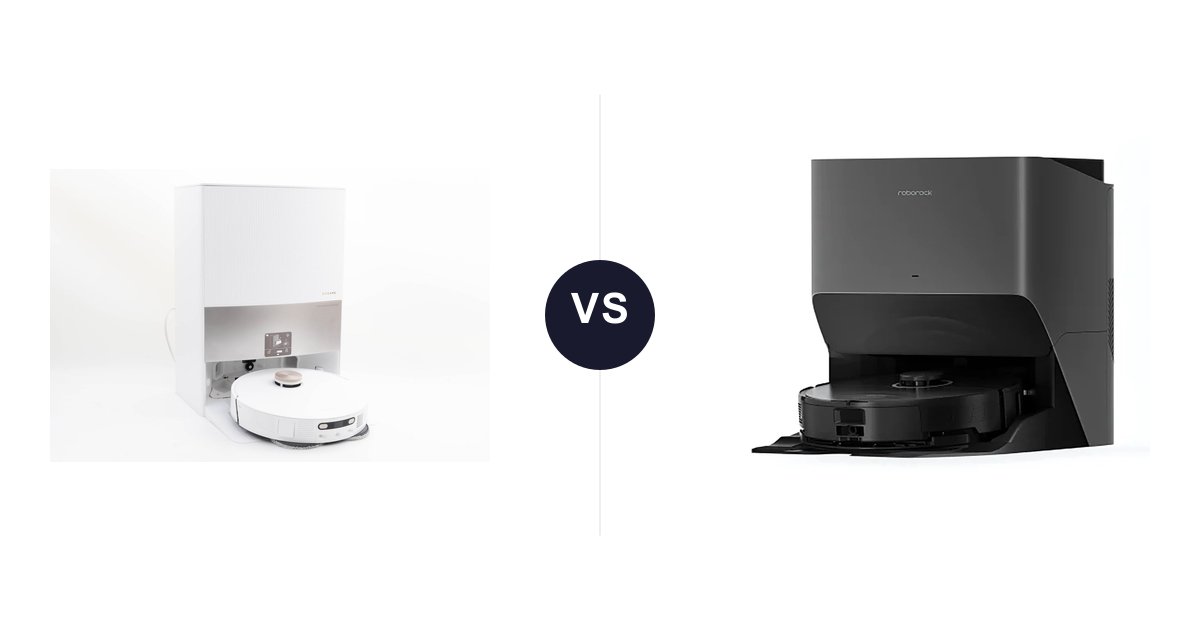
Dreame vs Roborock: Which Robot Vacuum Brand Is Better in 2026?
Dreame and Roborock are two of the fastest-growing robot vacuum brands. We compare their flagship models across navigation, suction, mopping, self-emptying stations, and value to help you pick the right one.
What Happened to Neato? Best Robot Vacuum Alternatives in 2026
Neato Robotics shut down in 2023 after Vorwerk discontinued the brand. Learn what happened, why Neato failed, and which robot vacuums are the best replacements for former Neato owners in 2026.
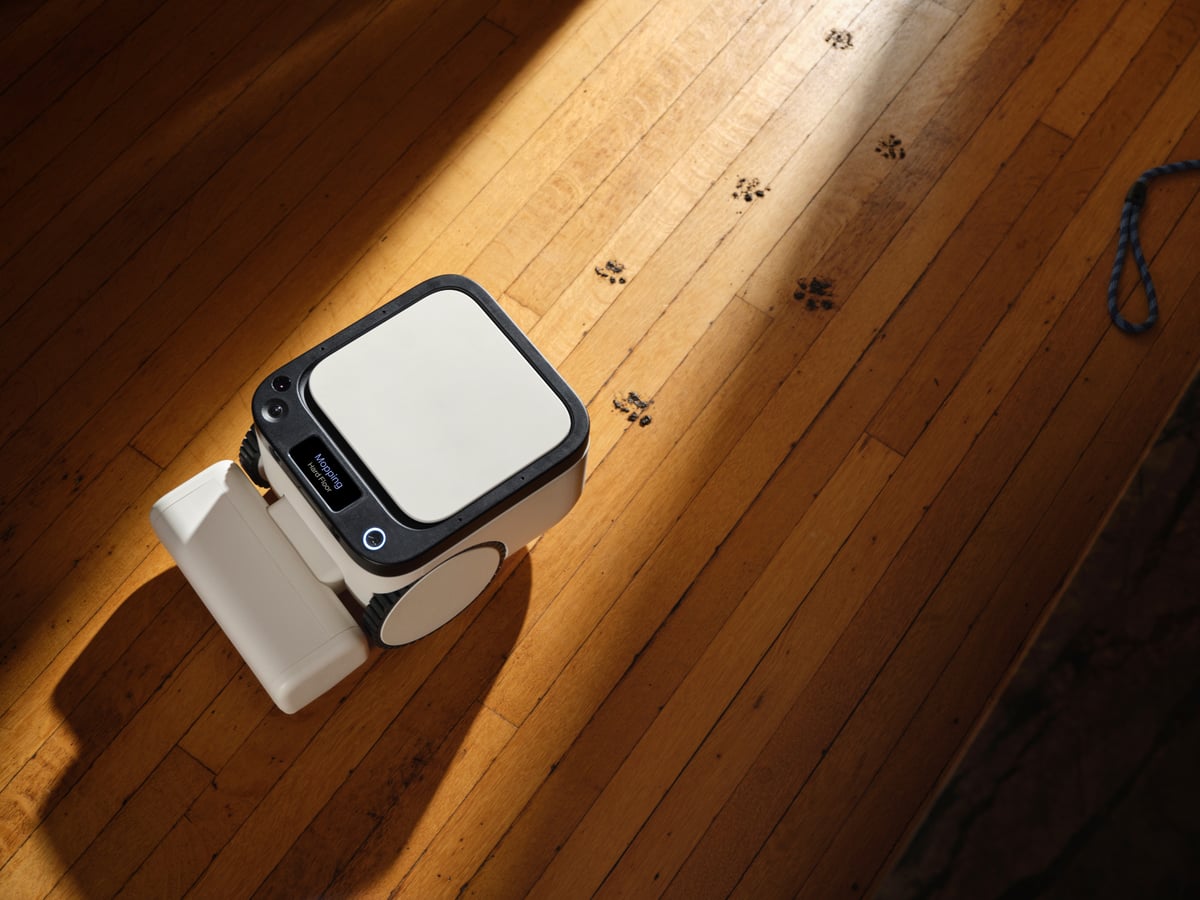
Matic Robot Vacuum: Why the Reviews Disagree So Much
WIRED gave the Matic a perfect 10/10. RTINGS found its cleaning barely works. Both are right, and the reason explains whether this robot vacuum deserves your money.